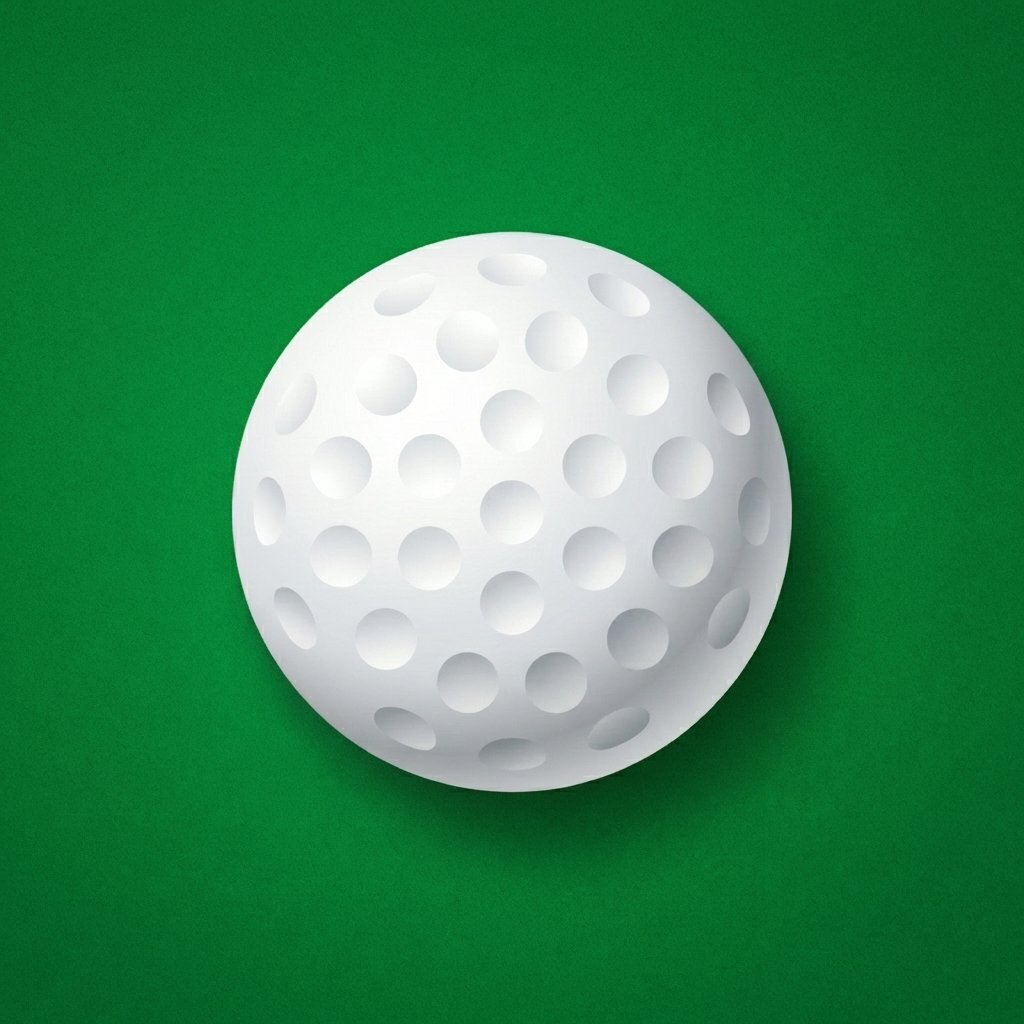

What's Inside a Golf Ball? Core, Mantle, Cover and Dimples, Explained
Cut a golf ball open and you find a rubber core, up to 3 mantle layers and a urethane or ionomer cover. What each part does and how many pieces you need.
Brand-neutral golf ball fitting breakdowns, tour-data deep dives, and on-course thinking. No affiliate spin — just the ball that actually fits your swing, your spin profile, and your budget.
Independent review of the Costco Kirkland Signature Performance+ golf ball — construction, performance data, and how the ~$15 Costco ball compares to the $57.99 Pro V1.
Cut a golf ball open and you find a rubber core, up to 3 mantle layers and a urethane or ionomer cover. What each part does and how many pieces you need.
Where pro shops, leagues, and bulk buyers get golf balls cheapest: Vice and Snell volume tiers, used 5-dozen lots, Costco, and logo minimums, per ball.
The best golf balls for cold weather by swing speed, what robot testing says cold costs (21 yards on a frozen ball), and why a warm ball beats a softer one.
The 7 online golf ball fitting tools worth running in 2026, ranked by brands scored, what they ask past swing speed, and whether the result explains itself.
How online golf ball fitting works: what brand selectors and neutral fitters ask, where a questionnaire beats a launch monitor, and how to answer it right.
TaylorMade grades the SpeedSoft's wedge spin mid/high. MyGolfSpy's 2026 robot measured it second-lowest of 48 balls on a full wedge. Where softness pays.
MyGolfSpy sawed open a Cut DC and measured an exceedingly thick cover. What that costs the DC, and what reviewers found in the Blue, Grey and Red.
Plugged In Golf gauged the Snell PR3 firmer than the PR4, and MyGolfSpy put it last for distance at mid speed. The 2026 evidence on Snell's four balls.
The $22 Mizuno RB 566 against the RB Max, Pro S and Pro X. What the 2026 robot test measured, and the two Mizuno balls no robot has tested at all.
Wilson Duo Soft vs Triad. The $15 urethane ball out-carried the soft one at all three robot driver speeds, including the slowest setting in the test.
The best golf ball for you comes from your swing speed, short game, and budget. Match yourself to one of five player profiles and get the balls that fit.
Maxfli publishes no ball selector of its own. What Golf Galaxy's tool does instead, how to sort the Maxfli line by swing speed, and the cross-brand check.
Vice's ball selector is the best DTC brand quiz per MyGolfSpy's 2026 test, with one Pro Air skew. What it asks, which ball fits your swing, and a neutral check.
Answer five questions — swing speed, short game, miss, weather, budget — and the right golf ball falls out. The decision framework, with 2026 robot-test data.
The longest ball travels farther offline for the same mistake. The robot data on golf ball dispersion, and the straightest picks at every swing speed.
Vice Pro review against the Tour, Drive and Pro Air. The $29.99 ionomer Tour out-spun 35 of 38 urethane balls, and Vice's price ladder runs backwards.
The Noodle outlived the brand that created it and sells for $0.92 a ball. How it compares with the Distance+ and SpeedSoft, with the 2026 robot data.
Srixon's own site now redirects the Q-Star to the Q-Star Ultispeed. What changed, plus the Distance and Marathon, priced per ball and ranked by compression.
Srixon Z-Star Diamond review: the tour ball Srixon markets as its blended middle option, and the 2026 robot data that puts it at the top of the spin charts.
Bridgestone Tour B X, XS, RX and RXS compared on gauge-measured compression and 2026 robot data, and why the 105 mph split sends most golfers to the wrong ball.
Callaway ERC Soft review against the Warbird and Supersoft MAX: two robot tests, verified prices, and why the $21.99 ball matched the $39.99 one.
PXG sells two urethane tour balls at $39.99 a dozen. The robot data, the July 2026 Ball Lab quality score, and which of the two fits your swing.
Pinnacle is Acushnet's value brand: one ball, $19.99 for 15, built in the same plant as Pro V1s. The prices, the spin trade, and who should play one.
Amazon's $15.99 Core Soft was a MyGolfSpy top pick at slow swing speeds and scored 1.5/5 from an on-course tester. Both are right. Here's who should play it.
Costco's Kirkland yellow and white come from different factories, and MyGolfSpy's 2026 robot test scored them as separate balls. Here's which one to buy.
MyGolfSpy put 48 balls through a robot at three swing speeds. The findings that actually change which ball you should play, and the ones that don't.
An independent Maxfli Tour X LS review: 4-piece cast urethane, 97 compression, $39.99 a dozen — and what MyGolfSpy's 2026 robot test says about the LS label.
What Costco's Kirkland Signature golf ball costs in 2026, who actually manufactures it, and what robot testing says the $15 ball gives up to a Pro V1.
Maxfli Tour vs Tour X, settled by the data: 94 vs 102 compression, 3-piece vs 4-piece, launch-monitor results, and the swing speed where the choice flips.
Top Flite is Dick's house ball brand. The 2026 lineup, verified per-ball pricing, the robot-measured spin trade against urethane, and who should play one.
TrackMan pegs the average golfer at 94 mph and a 14.5 handicap. Seven balls that fit that exact profile, and the price tier where they stop paying back.
Warm water, mild dish soap, a soft brush. The robot data on what mud and scuffs actually cost you, the Rules on cleaning mid-round, and the methods to skip.
Modern golf balls don't expire on a shelf. Heat, freezing, and cover damage do real harm. The storage data, the 21-yard freezer test, and when to retire a ball.
Titleist AVX vs Pro V1: same-test robot spin and carry numbers, the 10-point compression gap, the $8 price difference, and which flight fits your game.
TaylorMade TP5x vs Titleist Pro V1: robot-test driver, iron and wedge spin numbers, the 5-point compression gap, and the swing speed that decides it.
Every OnCore golf ball by swing speed, spin, and price: where the VERO XP1, X2, X1, ELIXR, and AVANT 55 fit your game, and what the quality data says.
The big number under the brand is your play number and nothing more. What 1-4, 00, three-digit stamps and the old 90/100 compression numbers actually mean.
The softest golf balls of 2026 ranked by compression — from the ~35 Maxfli SoftFli to the softest urethane tour balls, with measured-vs-marketed data.
The most expensive golf balls of 2026, from $58 Pro V1 tour balls to the $249 Attomax and $70,000 gold collectibles — and what the price actually buys.
The 12 golf ball brands ranked for 2026 — tour usage, lab-measured build quality, who owns their factory, and which brand fits your swing speed and budget.
Every Wilson golf ball ranked by swing speed, spin, and price: where the Staff Model, Staff Model X, Triad, and Duo Soft fit your game, and what they cost.
Most golf balls have 300–500 dimples. The exact count by model, why the Rules of Golf don't regulate it, and why depth matters more than the number.
The 10 best golf balls of 2026, ranked by player type — tour, value, slow-swing, and budget picks matched to your swing speed with lab-measured data.
Independent Titleist Velocity review: 2-piece ionomer distance ball, $29.99, low spin, high launch. MyGolfSpy data, lineup fit, and who should play it.
Every Maxfli golf ball ranked by swing speed, spin, and price: where the Tour, Tour S, Tour X, and SoftFli fit your game, and how they undercut the Pro V1.
Robot-test data on the ~$15-a-dozen Kirkland Signature ball vs the $57.99 Pro V1 — where the Costco hype is earned, where it breaks, and who should actually play it.
Match golf ball compression to your driver swing speed — what robot testing really says about soft versus firm, and the three bands that pick your ball.
How many strokes the wrong golf ball costs you per round, what the robot-test data actually shows, and how BallCaddie's brand-neutral Strokes Saved Estimate puts a number on it.
Every Callaway golf ball ranked by swing speed, spin, and price: where the Chrome Tour, Chrome Tour X, Chrome Soft, ERC Soft, and Supersoft fit your game.
Every TaylorMade golf ball ranked by swing speed, spin, and price: where the TP5, TP5x, Tour Response, Distance+, and SpeedSoft fit, and which one your game needs.
Callaway Chrome Tour Triple Diamond review (2026): the low-spin tour ball for 105+ mph swings, the MyGolfSpy robot distance data, and who it actually fits.
Used golf balls can save 50%, but recycled and refurbished play very differently. The robot-test data, grading scale, and when a lake ball is worth teeing up.
Every Titleist golf ball ranked by swing speed, spin, and price: where the Pro V1, Pro V1x, AVX, Tour Soft, and TruFeel fit, and which one your game needs.
Bridgestone pioneered golf ball fitting — Find My Ball, OTTO, and live launch-monitor events. What it does well, and when a brand-neutral fitter wins instead.
Srixon's Golf Ball Fitting Quiz is free but only recommends Srixon balls and leans hard on swing speed. What it does well, and when a brand-neutral quiz wins.
Every Srixon golf ball compared by swing speed, spin, and price: where the Z-Star, XV, Diamond, and Q-Star Tour fit and how they undercut a Pro V1.
Every Bridgestone golf ball compared by swing speed, spin, and price: where the Tour B X, XS, RX, and RXS fit and how the e-series undercuts a Pro V1.
How golf ball fitting works: the green-to-tee method pro fitters use, the swing speed and cover-material data behind it, and how to fit your own ball.
Independent TaylorMade TP5 review: 5-layer cast urethane, high flight, high greenside spin, and the swing speeds and short games it actually fits.
Independent Titleist Pro V1 review: 3-piece cast urethane at ~92 compression (MyGolfSpy measured 92.5), low driver spin, and the swing speeds it fits.
Compare every current Cut golf ball by swing speed, spin, and price — where the urethane Grey, Blue, and DC fit and how they stack up to a Pro V1.
Compare every current Snell golf ball by swing speed, spin, and price — where the PR3 and PR4 tour balls fit and how they undercut a Titleist Pro V1.
Compare all four Mizuno golf balls by swing speed, spin, and price. Where the Pro S and Pro X tour balls fit, and how they stack up to a Titleist Pro V1.
Bridgestone e6 vs e12, settled: the ~45-compression e6 Soft against the ~80 e12 Speed — compression, robot-test spin data, and which fits your swing speed.
Compare all five Vice golf balls by swing speed, spin, and price. Robot-test data, honest fit picks, and why the Pro Plus undercuts a Pro V1x by $16.
An honest Titleist AVX review: Titleist's lowest-spin, lowest-flying tour ball, who it fits by spin profile (not swing speed), and how it compares to Pro V1.
Independent 2026 Titleist TruFeel review: 2-piece ionomer, ~70 compression, $24.99. Who it fits, the Tour Soft and Velocity splits, and the greenside reality.
Independent 2026 TaylorMade Tour Response review: 3-piece cast urethane, ~74 compression, $42.99. Robot-lab read, Q-Star Tour and TP5 splits, plus who it fits.
Independent 2026 Callaway Supersoft review: 2-piece ionomer, ~49 compression, ~$25. Robot-test read, Chrome Soft and Soft Feel splits, plus who it fits.
The highest-spinning golf balls ranked by wedge RPM — the Pro V1x full-wedge ceiling, the Tour B XS greenside champ, and the best budget urethane spinners.
Independent 2026 Srixon Soft Feel review: 2-piece ionomer, ~58 compression, $24.99. Robot-test read, Supersoft and Q-Star comparisons, plus who it fits.
Do yellow and colored golf balls help you see the ball, and do they cost you distance or spin? The vision science, the rules, and the balls worth playing.
Bridgestone Tour B XS review (2026): the ~89-compression 3-piece urethane ball Tiger Woods helped design, how REACTIV iQ works, and XS vs Pro V1.
An independent Maxfli Tour X review: 102 compression, 4-piece cast urethane, $39.99 a dozen, and the honest fit and Pro V1x comparison for fast swings.
Wilson Staff Model review (2026): a 94-compression 4-piece urethane tour ball, the MyGolfSpy Ball Lab data, who it fits, and how it stacks up to the Pro V1.
Callaway Chrome Tour review (2026): 94-compression 4-piece urethane with the new Tour Fast Mantle, the Golf Link launch-monitor data vs Pro V1, and fit.
Srixon Q-Star Tour review (2026): the 70-compression 3-piece urethane built for moderate swings, with MyGolfSpy spin data and the value-tour case.
Srixon Z-Star XV review (2026): the 96-compression tour ball built for 105+ mph swings, with MyGolfSpy spin data and the case against the Pro V1x.
Independent 2026 Titleist Tour Soft review: 2-piece elastomer cover, ~88 catalog compression, $39.99 MSRP. MyGolfSpy data, lineup positioning, who plays it.
The Pro V1 Left Dot is a 3-piece urethane Pro V1 variant with a lower, more penetrating flight and reduced long-game spin. Who it fits, who it doesn't.
Srixon Z-Star vs Titleist Pro V1 — 2025 specs, MyGolfSpy robot-test deltas, and the $3/dozen MSRP gap. Which tour ball fits your game and your wallet?
A 20-handicapper averages 213 yards off the tee and gets up-and-down 21.7% of the time. Soft-ionomer territory — premium urethane rarely pays back.
A 15-handicapper averages 93 mph and converts 25% of up-and-downs. That's the value-urethane tier — premium tour pricing usually doesn't pay off here.
Independent review of the Maxfli Tour, Tour S, Tour X, and SoftFli — compression specs, MyGolfSpy data, and how they compare to Kirkland and Pro V1.
Independent review of the Callaway Chrome Soft — 77 compression, urethane cover, and how it stacks up against the Supersoft, Chrome Tour, and Pro V1.
The lowest-spin golf balls off the driver — AVX at 90–105 mph, Tour B X and Chrome Tour Triple Diamond above 105 — with the RPM data behind each pick.
The best golf balls for distance by swing speed — AVX at 95–105, Tour B X above 105 — and the 2026 robot data on why the field barely separates under 90 mph.
Slow driver swing speeds (under 85 mph) need low compression — but the soft-is-slow rule is wrong here. Eight specific picks under $30 and the data behind it.
Women golfers with slower driver swing speeds need low compression. Eight specific picks under $30, the data on women's-line balls vs unisex options.
Senior golfers with slower driver swing speeds need low compression. Eight specific picks under $30, the data behind the rule, and cold-weather tradeoffs.
The best low-compression golf balls for swing speeds under 95 mph — measured compressions, robot-test distance data, and when soft urethane is worth it.
TaylorMade TP5 vs TP5x — also searched TP5x vs TP5 — compared on compression, spin, trajectory, and swing-speed fit. Which 5-layer TaylorMade ball fits your game?
Jordan Spieth admitted he played the highest-spin Pro V1x for years before switching to the Left Dash. What his 300-to-500-rpm fix means for your game.
AI golf practice plans replace random range time with drill-by-drill routines tied to your handicap. How they work, and why they beat hitting buckets.
Pro V1 vs Pro V1x compression compared: the V1x is the firmer ball, with more iron and wedge spin. Flight, feel, and which one your swing speed actually needs.
Three signs you're playing the wrong ball, plus a brand-agnostic 10-minute DIY fitting test — greenside spin check, driver compression check, trajectory check — that needs no launch monitor. Then a 90-second shortcut.
The best value golf balls ranked by swing speed tier — from the most affordable urethane options to budget ionomer picks that beat premium balls for recreational golfers.
Specific golf ball recommendations organized by driver swing speed — from under 75 mph to over 105 mph, with budget and premium options for each bracket.
Independent review of the Costco Kirkland Signature Performance+ golf ball — construction, performance data, and how the ~$15 Costco ball compares to the $57.99 Pro V1.
Titleist Pro V1 vs TaylorMade TP5 — a detailed comparison of construction, spin, trajectory, and which ball fits your swing speed and scoring priorities.
Vice Pro Plus vs Pro V1: the Pro Plus is a firm 4-piece ball that plays closer to the Pro V1x. Compression, spin, price, and which swing speed each one fits.
A 10-handicapper has the swing speed and short-game consistency to use urethane tour balls. Here are the top picks — plus the soft-tour alternatives if you're early in the 10-handicap range.
At 100 mph firm tour balls earn their price. Here are the top picks (Pro V1x, TP5x, Chrome Tour X, Z-Star XV) ranked by distance, spin, and feel.
At 85 mph you're at the bottom of the mid-compression tier — where soft tour balls and value urethane options beat premium firm balls. Top picks tested and ranked.
The best golf balls for a 90 mph driver swing balance compression, urethane spin, and price. Here are the top tour, tour-lite, and value picks ranked on match fit — not marketing.
At 95 mph you're squarely in tour-ball territory. Here are the top picks for distance, spin, and feel — plus when to stay in the soft-tour tier vs. move to Pro V1x class.
The right golf ball for a beginner is soft, low-compression, and cheap enough to lose without flinching. Here are the top picks under $25 that forgive mishits and match slower swing speeds.
The right golf ball can reduce the side spin that turns a pull into a slice. Here are the low-spin, low-compression picks engineered to curve less — and what the ball can't fix.
Driver spin and greenside spin are opposite problems. Here are the best high-spin picks for wedges, iron spin control, and when you actually want less spin — not more.
Mid-handicap covers 85-to-low-90s shooters with very different swing speeds. Here are the top picks split by speed band — with honest trade-offs between tour balls and value options.
Callaway's online Ball Selector is well-built but only recommends Callaway balls. What it does well, what it can't tell you, and when a cross-brand fitter wins.
What a Golf Galaxy golf ball fitting costs, what the launch-monitor session measures, and when an online ball-fitting quiz is all you actually need.
TaylorMade's golf ball selector (the Ball Recommender) is free but only suggests TaylorMade balls. Where it falls short, and when a brand-neutral quiz wins.
MyGolfSpy rates Titleist's ball selector the most complete brand fitting tool. What its 10 questions ask, what the match scores mean, and what it can't see.
The 5 most forgiving balls for 90+ shooters: soft, low-spin, low-compression, and cheap enough to lose. Plus the 4 mistakes that cost high handicappers strokes.
Every major golf ball's measured compression, banded by 70/80/90 and matched to swing speed, plus why low compression isn't always right for slower swings.
Urethane covers generate 8,000–10,000 RPM of wedge spin; ionomer generates 5,500–7,500 RPM. Here's the data on when that gap changes your score — and when paying extra for urethane is wasted money.
Match your driver swing speed to the right compression, cover, and construction — with the measured data, specific ball examples, and decision framework used by independent fitters.
No posts match your search.
Take the 90-second fitting quiz · matched from a 70+ ball catalog · sign up to see your match
Take the quiz →